
⚡ Key Takeaways & Benchmarks
- Sub-48g Featherweight Shells: Magnesium alloy and composite structural engineering eliminate wrist strain without resorting to uncomfortable honeycomb holes.
- 8,000Hz Wireless Transmission: Drops signal delay from 1.0ms down to 0.125ms for glass pad tracking and aim stability.
- Optical Micro-Switches: Infrared light beam actuation eliminates mechanical debounce delay and prevents double-click failure over 90 million clicks.
- PAW3395 & Next-Gen Sensors: Flawless 30,000+ DPI tracking with 750 IPS speeds and zero acceleration or smoothing.
Weight reduction and sensor tracking accuracy have completely redefined high-end PC gaming mice in 2026. Transitioning from traditional 1,000Hz polling rates to 8,000Hz (8K) wireless transmission reduces mouse click and motion latency to a fraction of a millisecond. In aim-intensive encounters—whether you are tracking target anomalies in Neverness to Everness or engaging player squads in Once Human—your mouse sensor directly dictates target acquisition speed.
1. The Science of 8,000Hz (8K) Wireless Polling
For over a decade, 1,000Hz (1K) was the universal standard for USB gaming mice, transmitting position data once every 1.0 millisecond. At 240Hz or 360Hz monitor refresh rates, a 1K polling rate means your cursor position update lags behind the rendered display frame.
8,000Hz wireless polling transmits cursor coordinates 8,000 times per second—once every 0.125 milliseconds. This eliminates micro-stutter during rapid mouse swipes and ensures that cursor movement aligns perfectly with high-refresh OLED displays.
2. Optical vs. Mechanical Switches: Why Mechanical Double-Clicking Is Dead
Traditional mechanical mouse switches rely on physical metal leaf contacts. Over time, metal oxidation and physical spring fatigue cause the contacts to bounce, leading to unwanted double-clicking or dropped clicks.
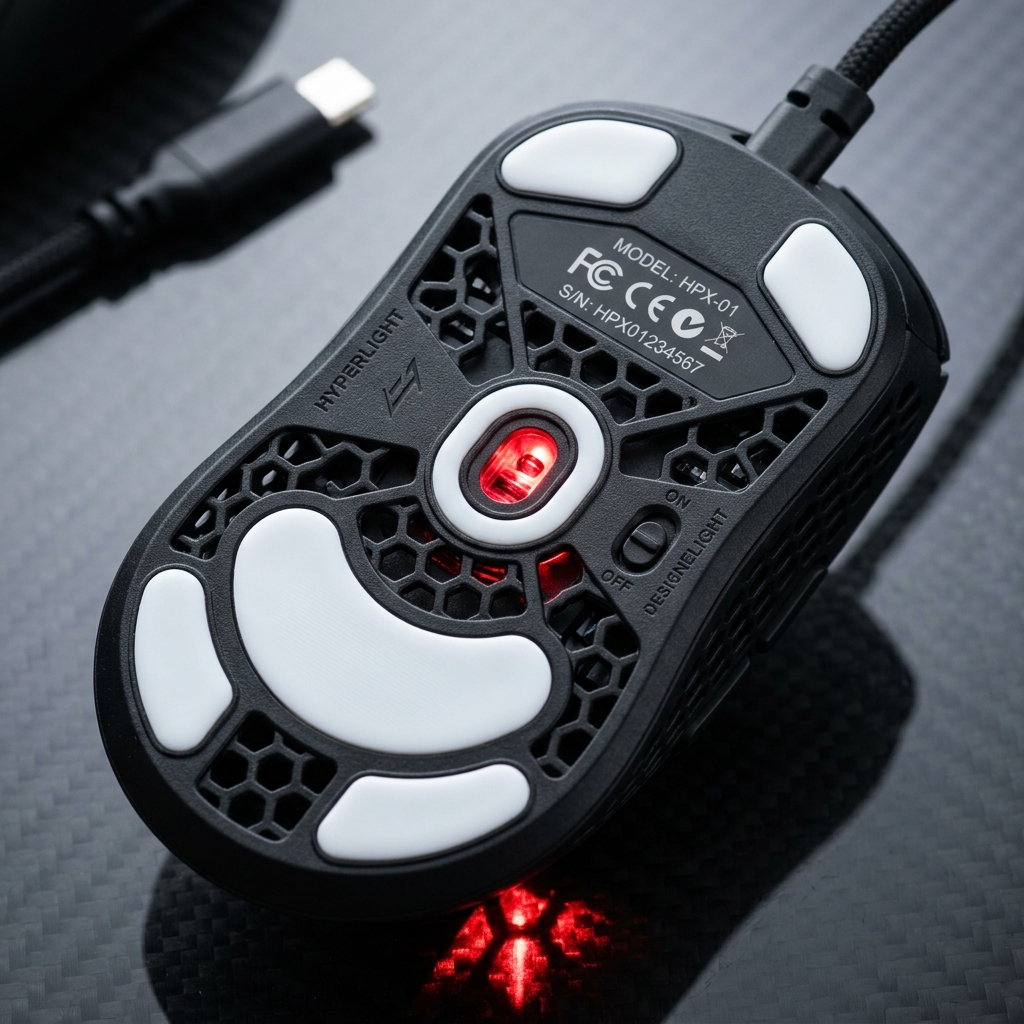
Modern 2026 gaming mice use Optical Micro-Switches. When you press the mouse button, a shutter blocks or opens an infrared light beam. Because there are no physical metal leaves coming into contact, there is zero debounce delay, yielding instantaneous click registration.
2026 Gaming Mouse Spec Benchmark Matrix
| Feature Specification | 2026 Ultra-Light Standard | Competitive Gaming Benefit |
|---|---|---|
| Chassis Weight | 38g – 49g | Zero wrist fatigue & rapid flick aim |
| Wireless Polling Rate | 4,000Hz – 8,000Hz (0.125ms) | Flawless tracking on 240Hz+ displays |
| Switch Mechanism | Optical Gen-3 / Gen-4 Switches | Zero debounce delay & 90M click lifespan |
| Mouse Skates / Feet | Virgin Grade PTFE / Sapphire Glass | Ultra-low dynamic friction on pads |
3. Grip Styles, Ergonomics & Weight Distribution
Shape is king. Regardless of specifications, a mouse shape that does not support your natural grip style will degrade aim consistency:
- Claw Grip: Requires a pronounced rear hump for palm support alongside low button height for rapid clicks.
- Fingertip Grip: Benefits from compact symmetrical mice (under 115mm length) with sub-42g weight.
- Palm Grip: Demands ergonomic asymmetric shaping with contoured thumb grooves for long sessions.
Pair Your Mouse with a Rapid-Trigger Keyboard
Complement your 8K mouse tracking with Hall Effect magnetic key switches for zero-latency counter-strafing.
Read Custom Mechanical Keyboard Guide →