
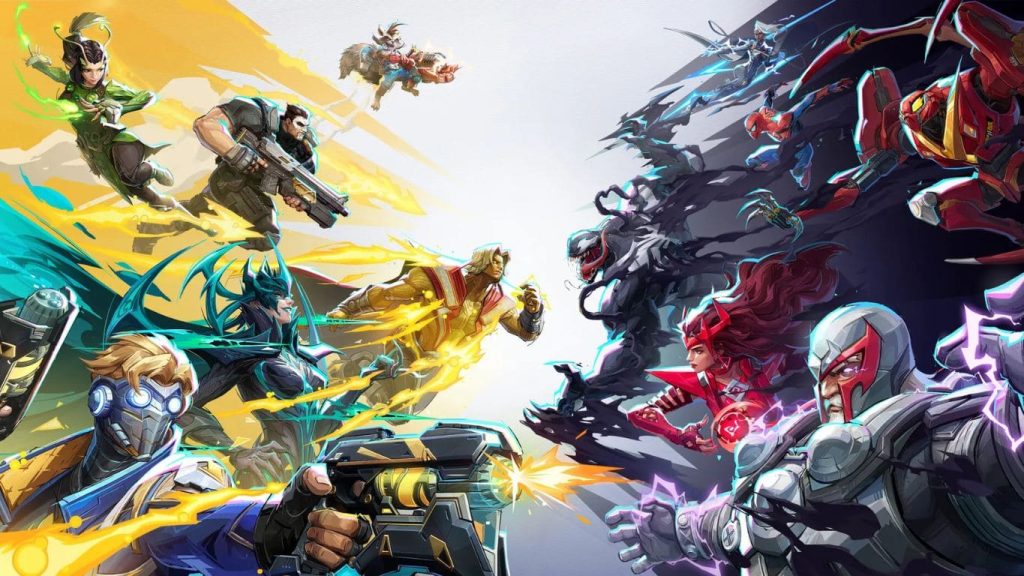
As someone who grew up on Marvel comics and now spends way too many evenings in hero shooters, Marvel Rivals caught my attention fast. It takes that familiar 6v6 formula, throws in a big Marvel roster, and adds a layer of destructible maps and team-up abilities that feel very on brand. you drop into matches as characters you already know from films and comics, but the real question is how the game actually plays once the novelty wears off. Is Marvel Rivals worth your time on PC if you already play other team shooters, or is it just a shiny tie‑in.
Overall, I would call it a fun, snackable hero shooter with some smart ideas and a few rough edges. It is not trying to be the deepest tactical game on the market, but it does a good job at delivering fast rounds and flashy moments. Movement is snappy, ultimates feel impactful, and the destruction system can genuinely swing fights when used well. If you want a bigger picture look at how this fits into the current hero shooter landscape on PC, a broader game reviews guide to Marvel Rivals PC game helps compare it with your existing go to titles.
Core gameplay and match flow
Marvel Rivals is built around 6v6 PvP matches with an objective focus. Most modes revolve around capturing points, pushing an objective, or controlling sections of the map for a set time. Thebasic rhythm will feel familiar if you have played games like Overwatch or Paladins. You pick a hero, join a composition that ideally has some balance, and try to coordinate pushes and defenses around cooldowns.
Time to kill sits in a middle ground. It is not as melt-heavy as a pure arena shooter, but you will still drop fast if you overextend without support. Positioning and timing your cooldowns matter more than raw aim alone. Each hero has a primary fire, a couple of abilities on cooldowns, and an ultimate that charges over time. Unlike some older hero shooters that bloated ability kits, Marvel Rivals keeps most heroes readable, which is good when you are still learning the roster.
Matches are fairly short, often landing in that 10 to 15 minute sweet spot. That helps a lot if you are fitting games around work or studies. You can log on, knock out a few rounds, and log off without feeling like you need a full evening. The tradeoff is that some objectives can feel a bit throwaway if teams are not really trying, but that is the usual risk with casual queues.
Hero roster and roles
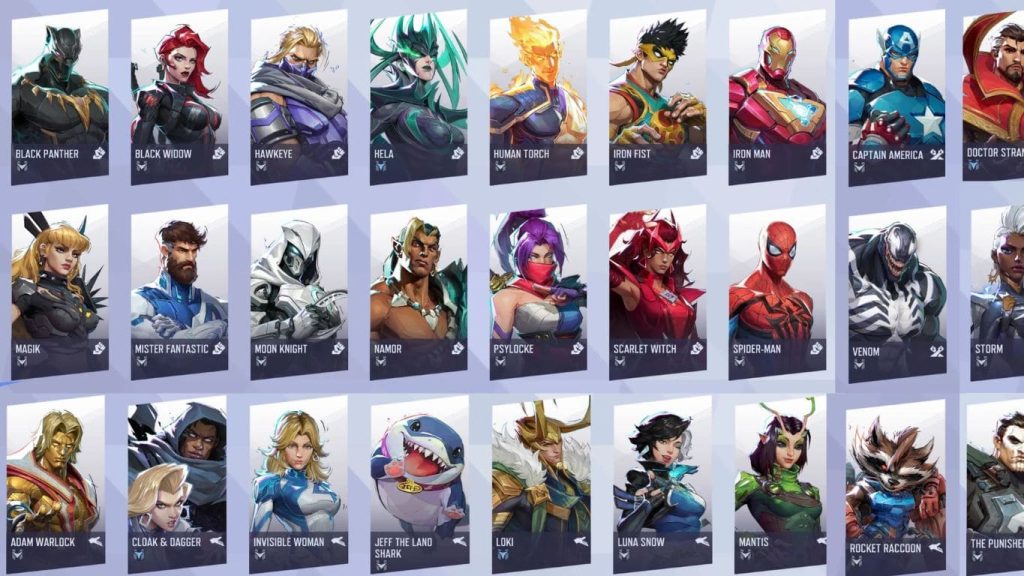
The main draw is the hero roster, obviously. Marvel Rivals leans into big name characters while sprinkling in some less obvious picks. You get frontline brawlers, agile damage dealers, and more support leaning heroes that bring shields, heals, or utility. The game sticks to three broad role types without making the UI too cluttered.
Tanks and frontliners feel solid. Characters like Hulk or similar bruisers move slower but soak damage and disrupt. Their kits usually include some sort of crowd control and a way to create space, whether that is a ground slam, a charge, or a shield. When your tank plays well, you feel it. They anchor pushes and give the rest of the team room to breathe.
Damage heroes are where the game lets itself go a bit wilder. Spider style mobility, ranged blasters, and close range assassins all bring their own flavour. Some rely more on verticality and flanking, while others are classic mid
range gunners. The good news is that most damage heroes have pretty clear identities. You do not need a wiki open to understand how they should be played at a basic level.
Support style heroes sit in an interesting place. They bring more than just heals. Shields, debuffs, damage boosts, and crowd control tools make them essential for winning fights, but they often feel less flashy in solo queue. When your team understands the value of supports, matches feel great. When they ignore you and run off, it can be a bit draining. That is not unique to Marvel Rivals, but it is worth keeping in mind.
Team‑up abilities and synergy
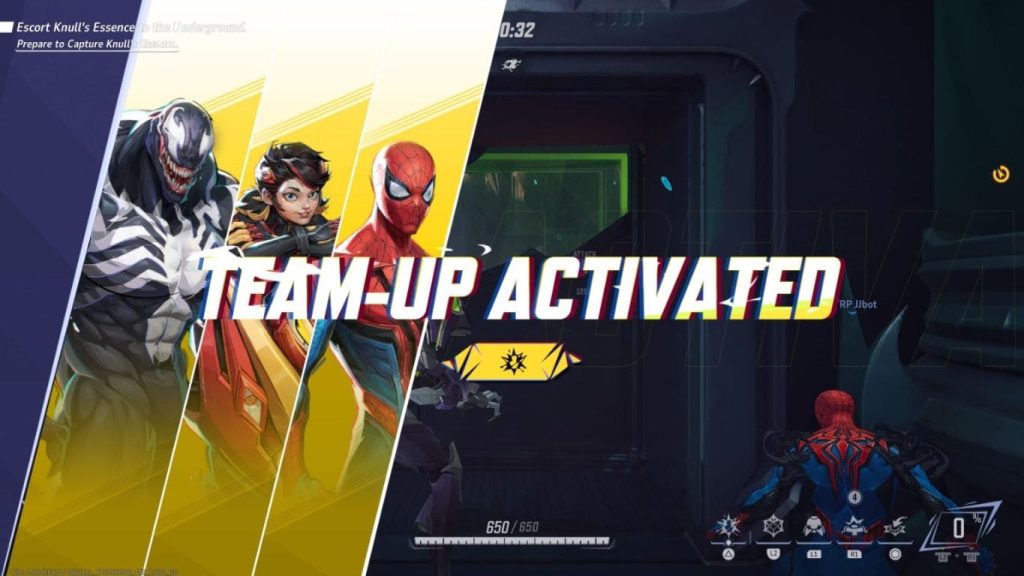
One of the better ideas Marvel Rivals brings is the team‑up system. Certain hero combos can trigger joint abilities or ultimates when they coordinate. Think of it as a tag‑team super moment. In practice this works best when you play with friends on voice chat. Lining up that joint combo at the right time can wipe a point or crack a stubborn defense.
In solo queue, team‑ups are more hit and miss. Sometimes players do not realise their heroes can combine powers, or they are too busy chasing their own highlight clip. Overtime, as the community learns which duos work best, these combined moves will probably show up more often in ranked play and less in casual chaos.
Even outside of official team‑ups, simple synergy matters. A tank that pins enemies pairs well with an area damage hero. A hero with vision tools makes flanks easier for stealthy characters. Once you get used to the roster you start seeing small interactions that give you a clear edge if you plan ahead.
Maps and destructible environments
Map design is one of the more distinctive parts of Marvel Rivals. Stages are colourful and packed with Marvel references, but they are not just pretty backdrops. Many structures can be damaged or destroyed during the match. Blowing out a wall can open a new sightline. Dropping debris can block a choke or force enemies to reposition.
This destruction adds a bit of unpredictability, especially in the mid to late stages of a round. Positions that looked safe at the start may be wide open later. Defenders cannot always rely on the same cover. Attackers can create angles that catch people off guard. It is not full Red Faction style destruction, but it is enough to make the battlefield feel alive.
On the flip side, the visual noise can be a bit much at times. When everything is exploding and crumbling it gets harder to track projectiles or flanks if you are new. Over time you adjust, but the game does not always communicate which objects are actually destructible and which are just decoration. A clearer visual language there would help.
Progression, monetisation, and grind
Marvel Rivals follows the familiar free‑to‑play path. You can play matches without paying, but cosmetics and some unlock paths sit behind currencies and passes. Skins, emotes, and banners are the main paid items. From what I have seen, power stays tied to gameplay rather than wallets, which is the right call for a competitive shooter.
Progression leans on hero experience, account levels, and seasonal tracks. Playing your favourite character unlocks cosmetics and sometimes small customisation tweaks. Account levels throw in loot boxes or currency at set milestones. The pace feels decent early on but may slow later if you chase everything. As always, the key is treating cosmetics as optional rather than mandatory.
Matchmaking and balance
Any hero shooter lives or dies on matchmaking and balance. Marvel Rivals is still early enough that the meta shifts quickly. Some heroes obviously perform better than others in the current patch, and you will see certain picks almost every game. Balance patches have been rolling out to nudge outliers down without gutting them, but it is a process.
Matchmaking itself is fine in the main regions during peak hours. Queue times stay reasonable and matches rarely throw complete beginners against stacked premades, though that still happens now and then. Ranked feels more serious, with clearer role compositions and fewer random picks, while unranked remains a place for experimentation and off‑meta fun.
How it feels to play on PC
On PC, Marvel Rivals feels responsive and smooth enough on a midrange build if you take a moment to adjust settings. Mouse aim works well for ranged heroes, while controllers feel fine for brawlers and some supports. The game supports the usual graphics sliders, so you can pull back shadows and effects for more consistent performance.
The art style leans slightly stylised rather than hyper realistic, which helps performance without making the game look cheap. On a good monitor the colours pop and readability is mostly fine, though busy fights on destructible maps can still overload your eyes if everything pops at once.
Who Marvel Rivals is for
If you already love Marvel and enjoy team shooters, Marvel Rivals is an easy recommendation to at least try. The barrier to entry is low, the learning curve is gentle compared to some older titles, and the pacing fits adult schedules quite well. It is also a nice option if you want a secondary shooter that feels lighter than a ranked grind in something more intense.
If you want very deep tactical play, tight esports structure or heavy mechanical skill expression, you might find it a bit shallow long term. It aims more at being a fun, accessible hero brawler than the next ultra competitive obsession. For many players that balance is exactly what they want.
Wrapping up and what to read next
For me, Marvel Rivals lands as a solid, entertaining hero shooter that benefits a lot from its Marvel flavour without relying only on it. The core gameplay loop is fast enough to be addictive, the hero roster has room to grow, and the maps feel more dynamic than average because of the destruction system. With smart balance updates and new heroes rolled out at a sensible pace, it can easily stay in a regular rotation.
If you decide to stick with it, the next step is usually to raise your impact in matches. That is where a focused breakdown of the best Marvel Rivals heroes, team comps, and tips for 6v6 becomes useful, especially if you want to understand which picks actually work together and how to climb more consistently over a season.